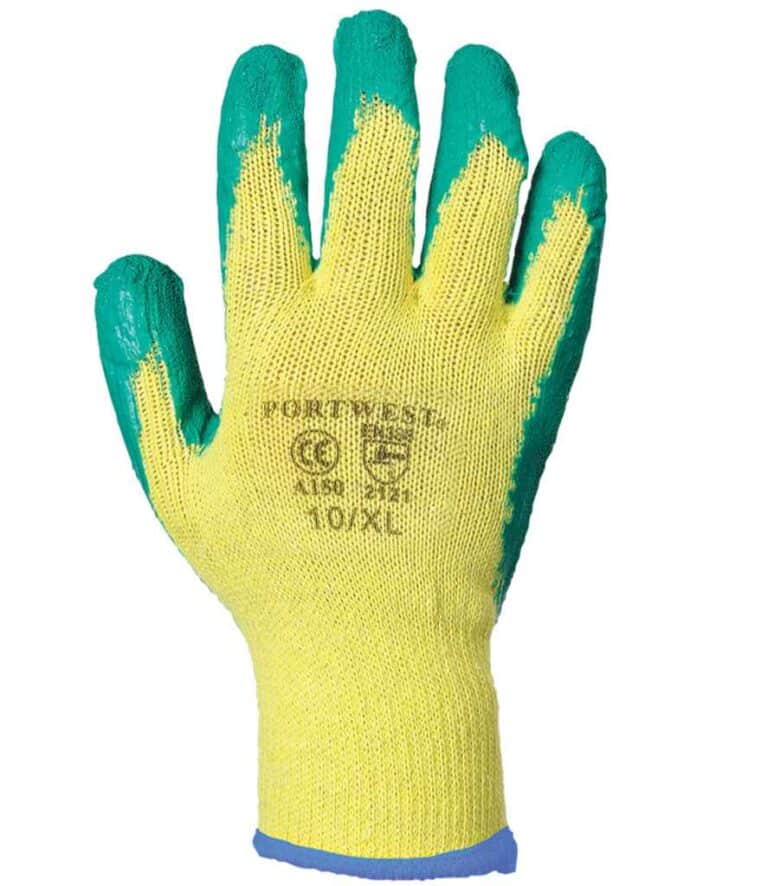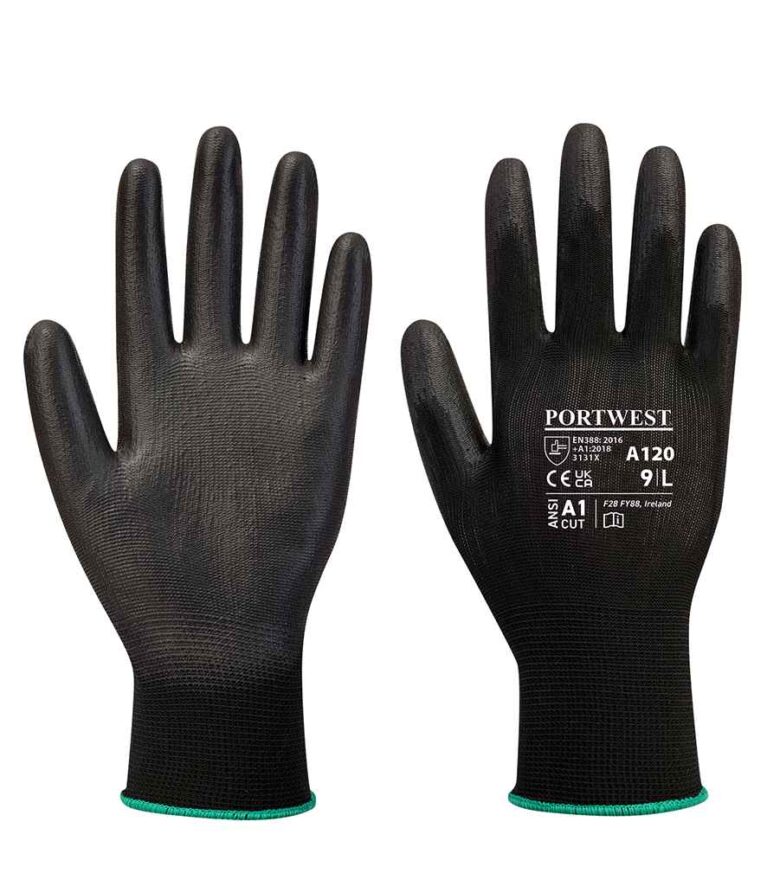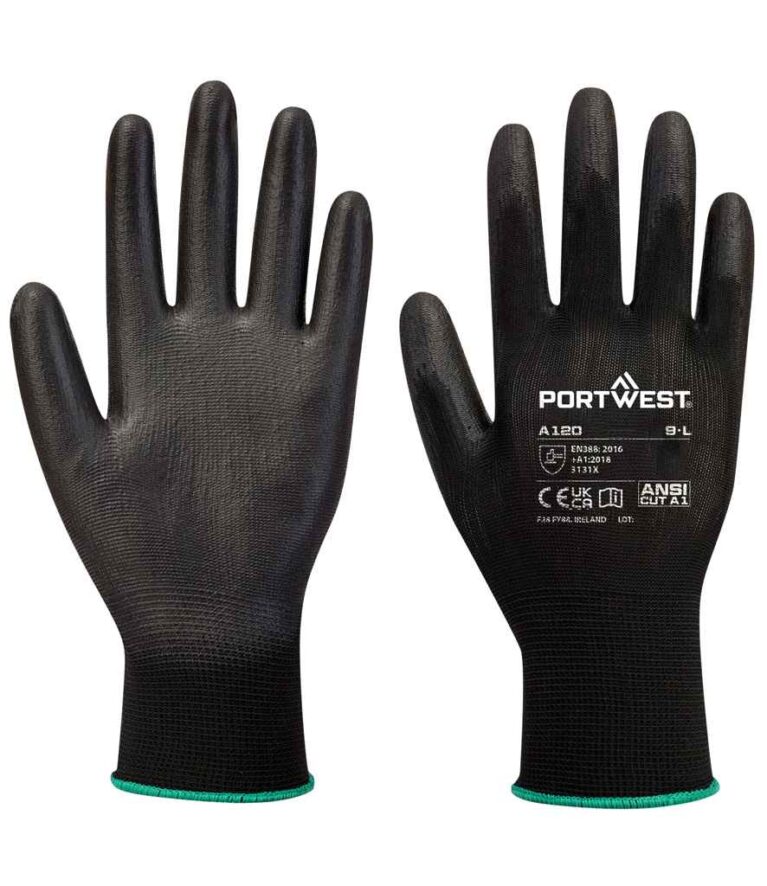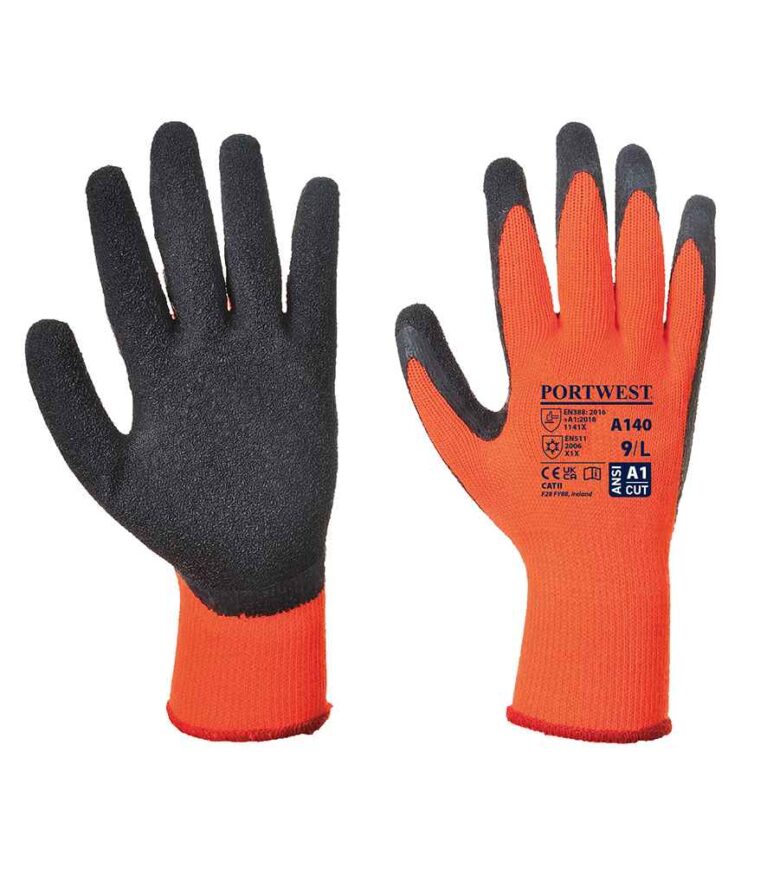
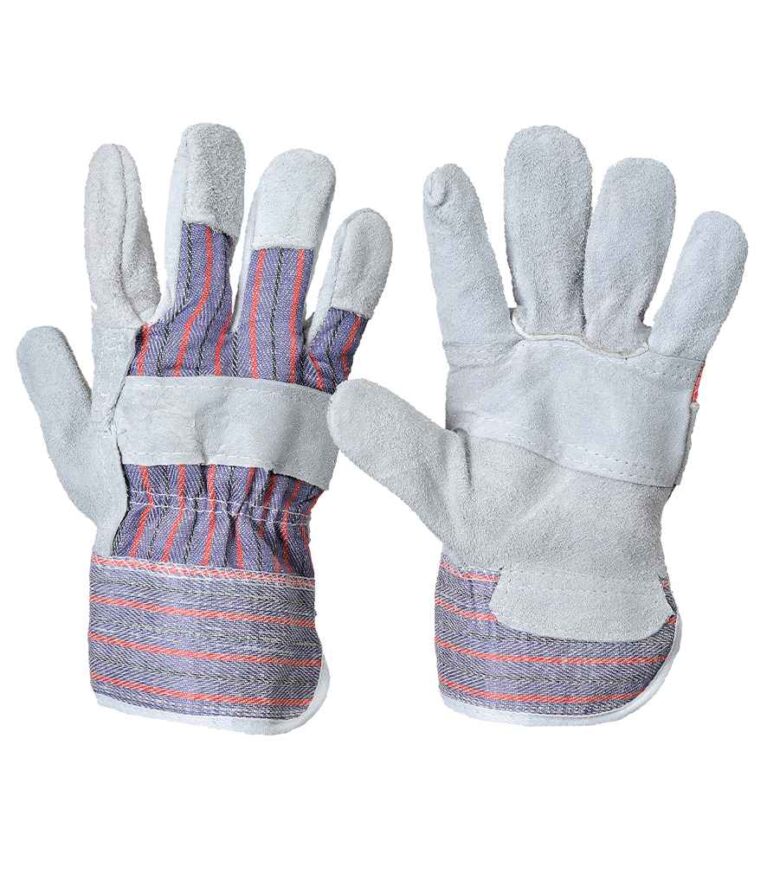
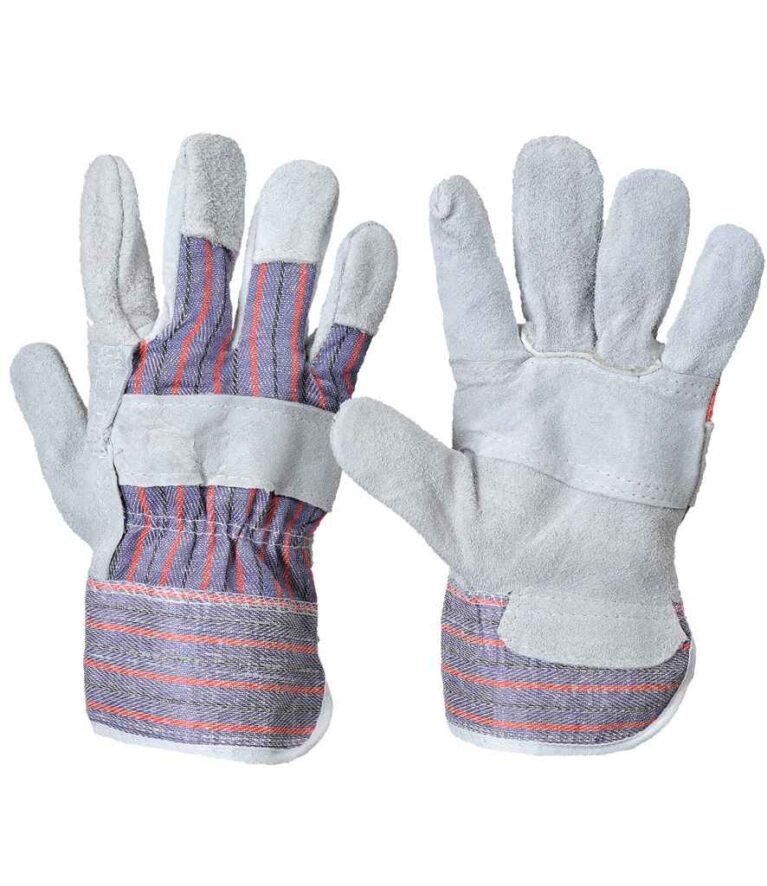
Portwest Canadian Rigger Gloves
£2.59 Excl. VAT



Showing 9 of 9 results
Safety gloves can help protect employees’ hands when they are correctly selected for the task, wearer and working environment. Different jobs expose the hands to different hazards, so one glove should never be assumed to provide suitable protection against cuts, abrasion, chemicals, heat, cold and every other workplace risk.
Our current collection includes work gloves from Portwest alongside the Premier HeiQ Viroblock Touch Gloves. The range features leather rigger gloves, coated grip gloves, thermal work gloves and lightweight designs intended for different handling activities.
Portwest Canadian Rigger Gloves provide a traditional leather-based option. Rigger gloves are commonly considered for general handling and outdoor work, but the leather type, cuff, fit, dexterity and stated performance should be checked against the task before they are issued to employees.
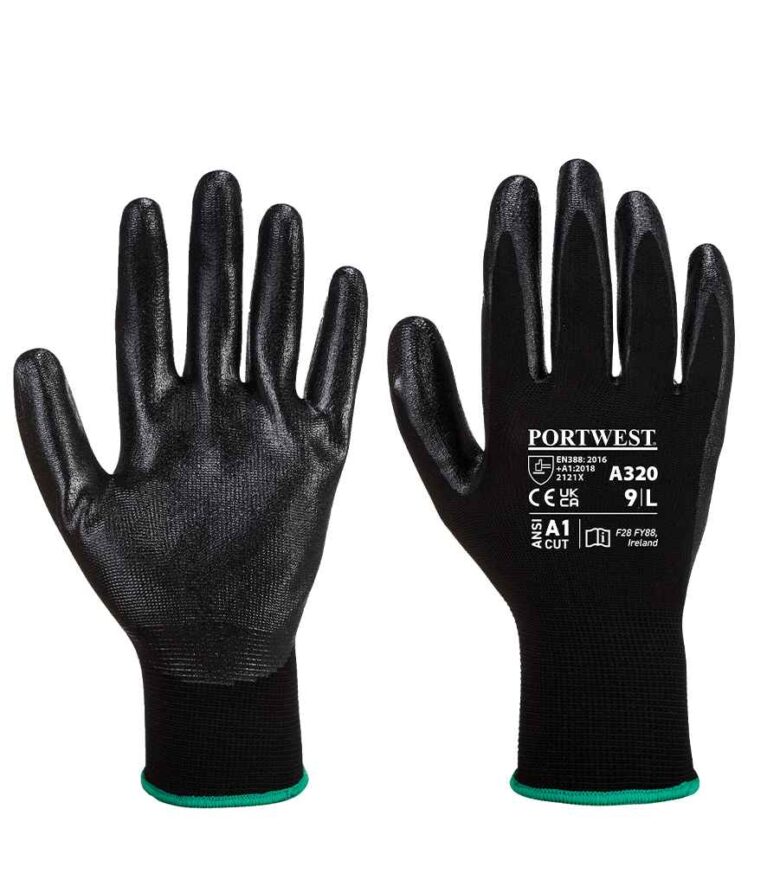
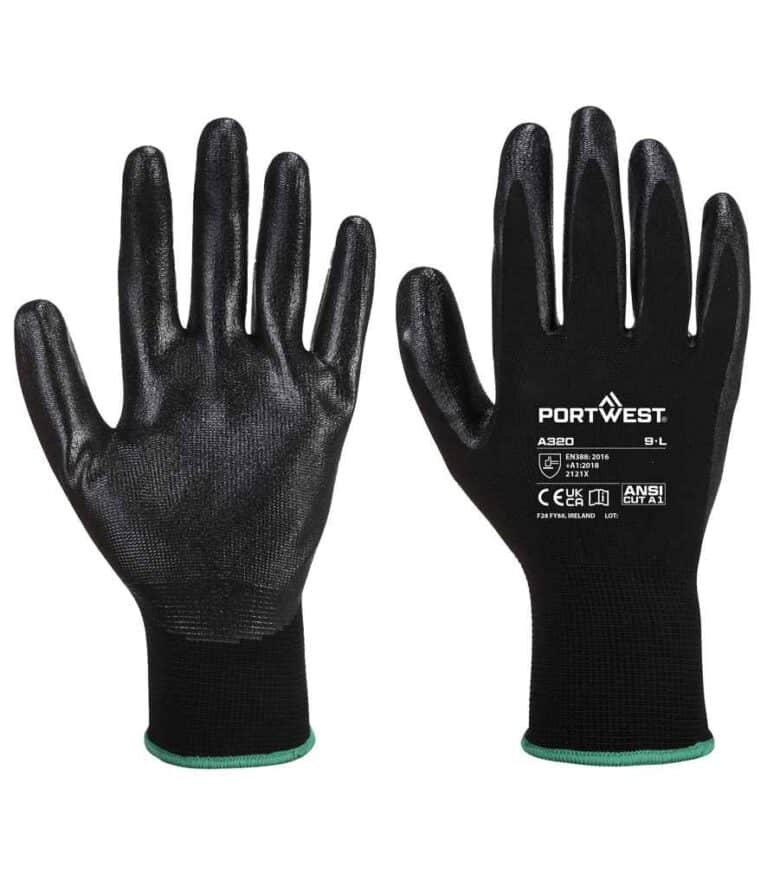
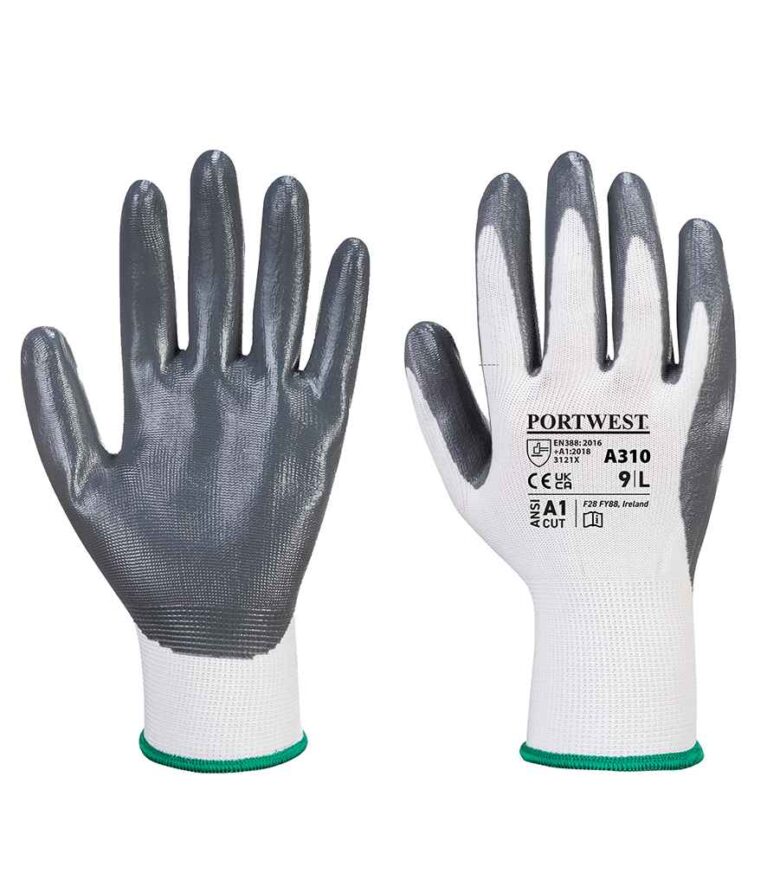
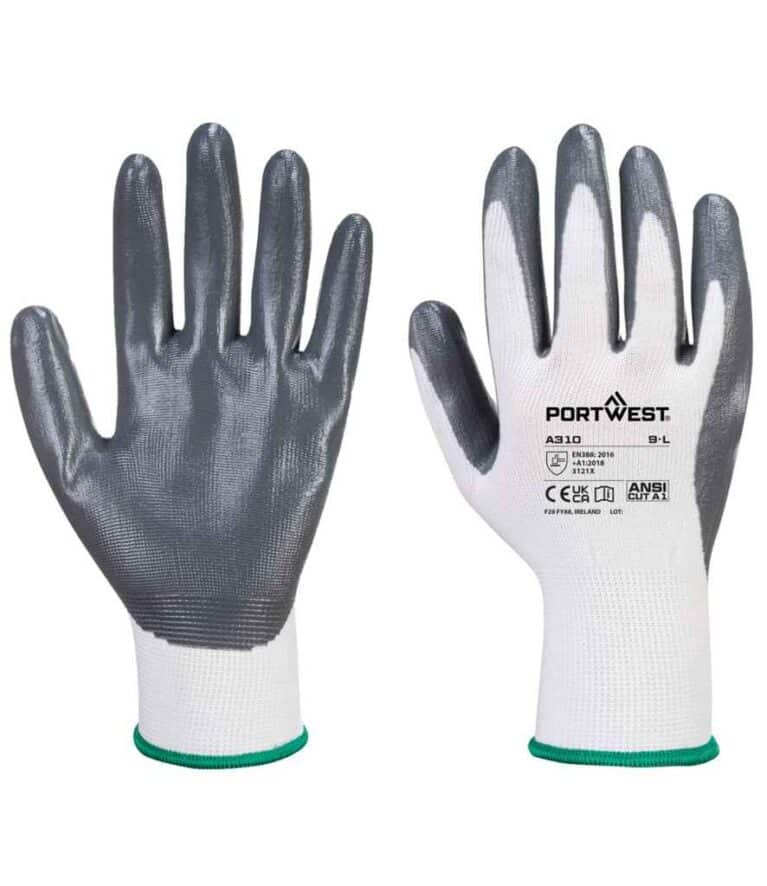
The Dexti-Grip, Flexo Grip Nitrile, Fortis Grip and PU Palm products provide several coated-glove options. Coated palms and fingers can support grip and handling, although the precise coating, coverage and performance vary. A glove suited to handling dry materials may not provide the required grip or protection when working with wet, oily or sharp objects.
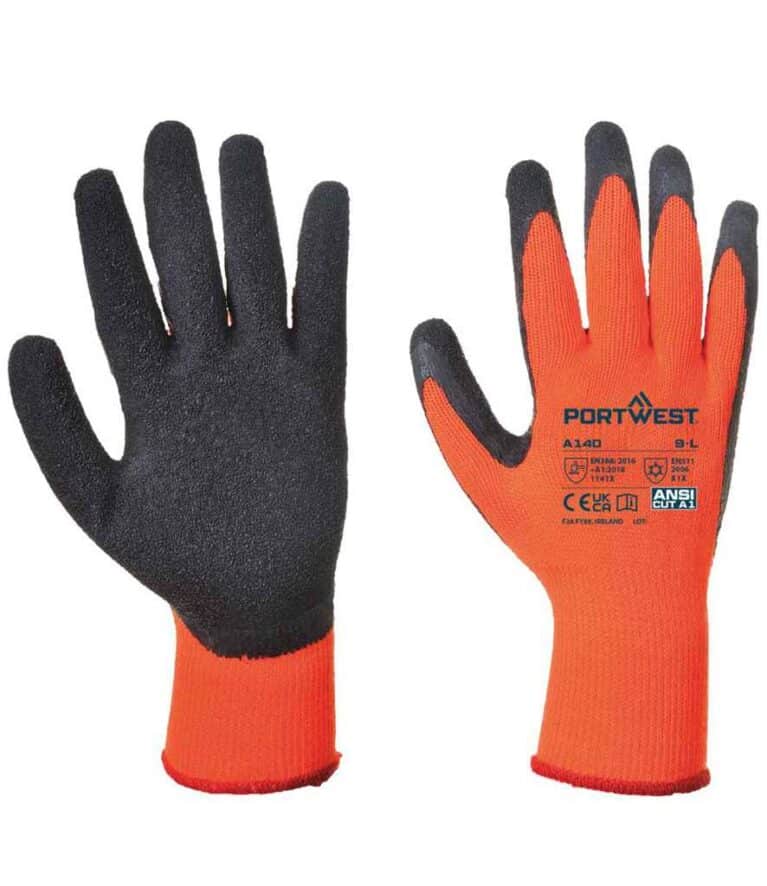
Portwest Thermal Grip Gloves provide an option for colder working conditions. Thermal work gloves should be selected according to the temperature, exposure time, wind, moisture and amount of dexterity required. A glove described as thermal should not automatically be treated as waterproof or suitable for extreme cold.
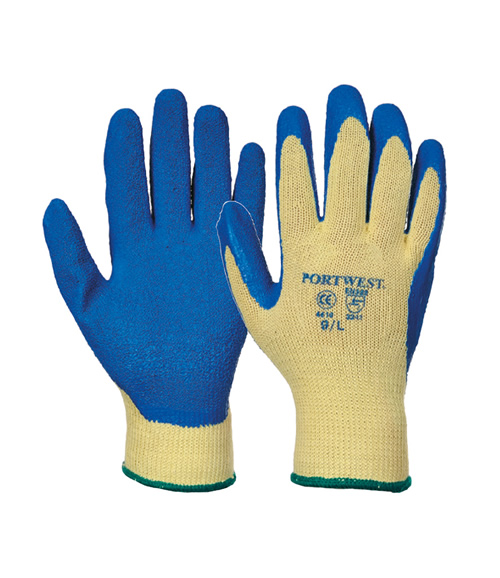
The Portwest Kevlar Latex Gloves provide a specialist option within the collection. Customers searching for cut-resistant gloves should review the product’s current test information and performance marking rather than relying solely on the presence of Kevlar or the product name. Different cut hazards require different levels and forms of protection.
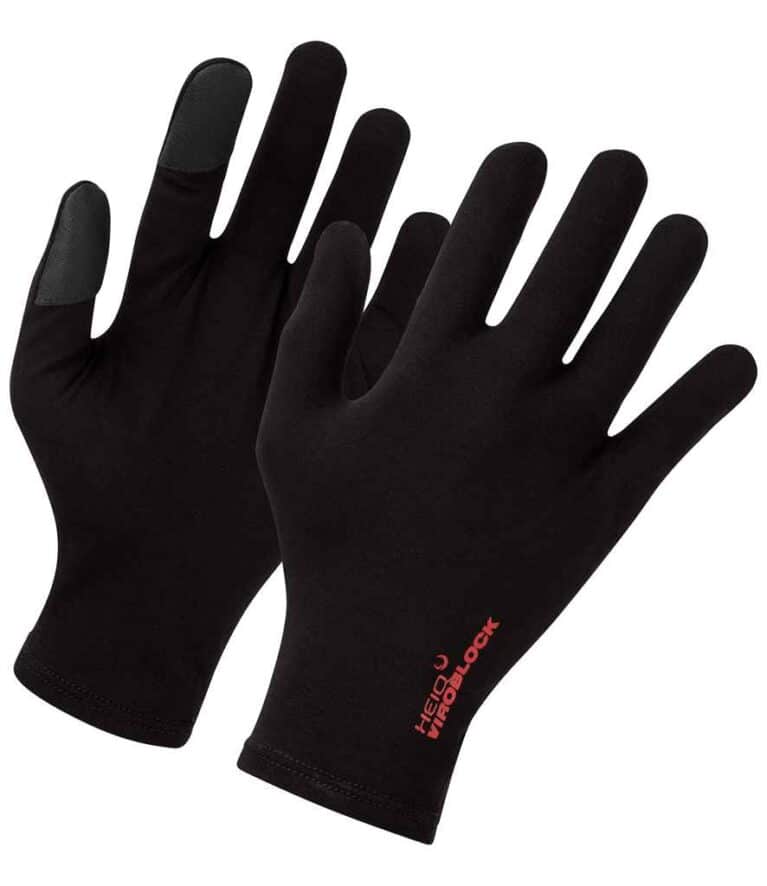
Premier HeiQ Viroblock Touch Gloves are cotton touchscreen-compatible gloves rather than direct alternatives to coated industrial safety gloves. Their material treatment and touchscreen design do not establish suitability for construction, chemical handling, sharp materials or other industrial hazards. They should be chosen according to their own intended use and product information.
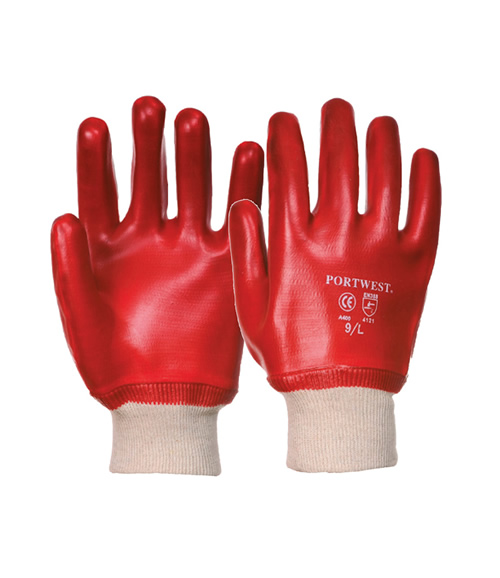
The Portwest PVC Knitwrist Gloves complete the current collection with another coated design. PVC, nitrile, polyurethane and latex coatings have different properties, and none should be considered universally suitable. Employers should identify the actual substances, surfaces and hazards involved before selecting a glove.
The Health and Safety Executive advises employers to base glove selection on the work, the wearer and the environment. Its guidance on choosing protective gloves recommends considering the substances handled, other hand hazards, type and duration of contact, user comfort and the requirements of the task.

Protective gloves work best when their material and construction match the identified hazard. The current category includes leather, cotton, acrylic, nylon and polyester products, together with nitrile, polyurethane, latex and PVC-coated styles. Material names alone do not confirm what protection a glove provides.
Nitrile-coated gloves are frequently considered where wearers need grip and dexterity during handling tasks. However, a nitrile palm coating should not be confused with a disposable or fully coated chemical-resistant nitrile glove. Coverage, thickness and product testing determine how a glove can be used.
PU-coated gloves typically have a relatively thin polyurethane coating across part of the hand. This can support dexterity for certain handling and assembly tasks, but PU-coated gloves do not automatically provide suitable protection against chemicals, heavy cuts, heat or prolonged wet work.
Latex-coated gloves may provide useful grip for selected manual tasks, but natural rubber latex can cause allergic reactions in some people. Employers should consider the wearer and available alternatives as part of their selection process. The coating also does not mean that the glove is suitable for every chemical or liquid.
Leather work gloves and rigger gloves can provide a robust option for selected handling duties. Leather thickness, seams, palm construction and cuffs vary between products. Employers should check whether the gloves offer the required dexterity and tested performance instead of assuming that a heavier appearance always means greater protection.
Fit is as important as material. Gloves that are too tight can cause discomfort and hand fatigue, while oversized gloves may fold, reduce grip or interfere with handling. Employees should be supplied with the correct size and, where possible, involved in assessing comfort and suitability.
Thicker work safety gloves can sometimes provide greater physical coverage, but they may reduce touch sensitivity and finger movement. Lightweight gloves can support dexterity but may not provide the protection required for more demanding hazards. The aim is to find an appropriate balance between protection and the ability to complete the task safely.
Industrial safety gloves should carry the relevant markings and product information for the hazards they are designed to address. Employers should review the current product documentation, performance levels and limitations. A standard number alone is not enough without understanding the results achieved by that particular glove.
Chemical resistance requires special attention. No glove material protects against every substance indefinitely. Businesses working with chemicals should consult the product safety data sheet and the glove manufacturer’s compatibility information, including breakthrough time, permeation and degradation where relevant.
Gloves can also become less effective through wear, punctures, contamination or incorrect storage. Reusable products should be inspected regularly and replaced according to the employer’s procedure and manufacturer’s guidance. Employees must understand how to put gloves on, remove them and store or dispose of them correctly.

Construction work gloves may be required for handling timber, blocks, tools, fixings, packaging and other site materials. The correct product will depend on whether the main concern is abrasion, cuts, punctures, cold, grip or another identified hazard. Gloves should not be selected simply because they are labelled for general construction use.
Warehouse work gloves can support picking, packing, goods handling and loading tasks. Lightweight coated gloves may provide useful dexterity for some duties, while more substantial products may be required elsewhere. Employers should also consider whether employees handle cardboard, metal edges, liquids or refrigerated items.
Maintenance, engineering and manufacturing teams may need several glove types across the same workplace. A general grip glove might suit routine handling but be unsuitable for chemical cleaning, welding, sharp components or work around rotating machinery. Glove policies should distinguish between tasks rather than issue one product for every activity.
Outdoor employees may require thermal gloves during colder periods. The correct choice should account for exposure length, moisture, wind and the need to operate tools or equipment. Thermal protection must be balanced against grip and finger movement so the glove does not create an additional handling risk.
When gloves are worn around moving machinery, the employer must assess whether they introduce an entanglement risk. Protective gloves should not automatically be worn for every mechanical task. Safe systems of work, machinery guarding and other control measures remain essential.
PPE gloves form only one part of a wider workplace safety system. Businesses can explore our personalised PPE for additional equipment. The complete selection should be based on the employer’s risk assessment and should complement engineering controls, training and established working procedures.
Where the risk assessment identifies hazards to the face or eyes, our safety eye protection category provides additional options. Employees working in environments with head hazards can also view our safety headwear.
Employees who need to remain noticeable around vehicles, equipment or moving traffic may require suitable garments from our personalised hi-vis workwear collection. High-visibility clothing and gloves serve different purposes, and neither replaces the other.
Suitable workwear can complete the employee’s kit. Our personalised work trousers and branded work jackets provide options for construction, maintenance, warehouse and outdoor teams.
Only selected products in the safety glove archive currently display embroidery or printing options. Personalisation should never cover required markings or be placed where it could alter grip, flexibility or protective performance. The available options must be checked on the individual product page.
Businesses looking for safety gloves UK teams can use should begin with their risk assessment and then compare the relevant product information. There is no minimum order, allowing customers to purchase individual pairs, trial selected products or order suitable quantities for a larger workforce.
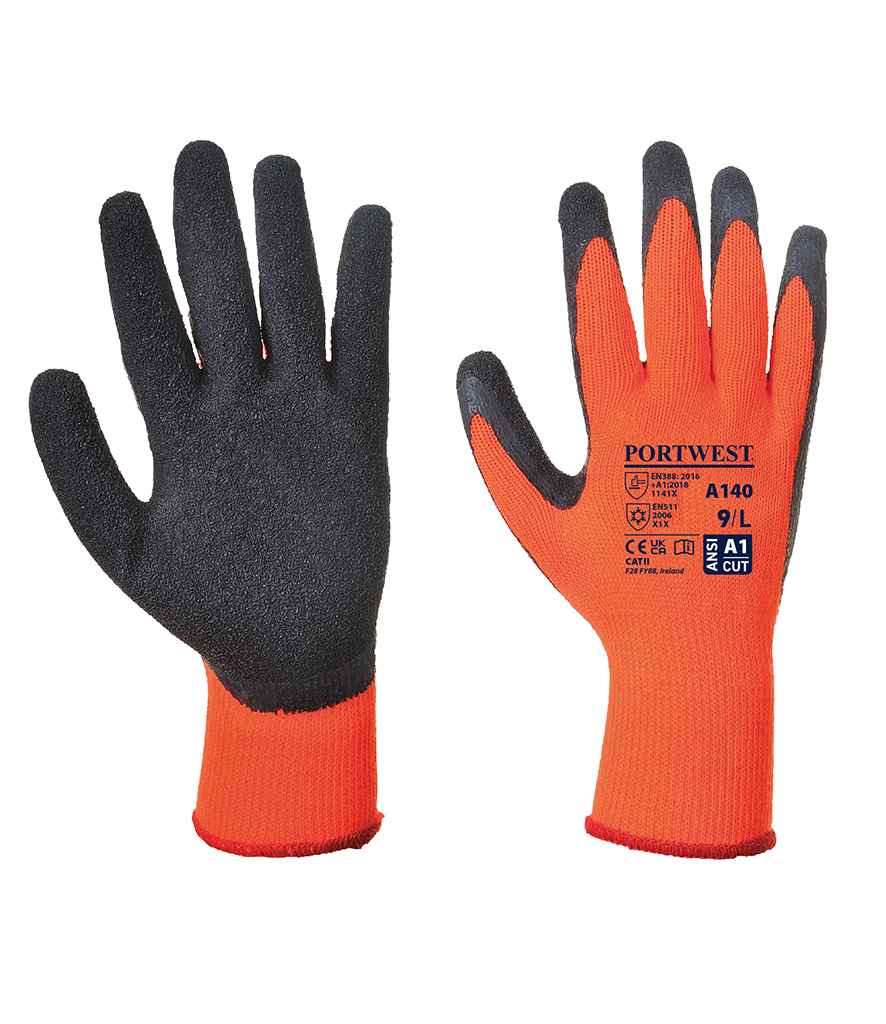
The current range includes leather rigger gloves, nitrile-coated grip gloves, PU palm gloves, latex-coated gloves, PVC knitwrist gloves, thermal grip gloves and touchscreen-compatible cotton gloves. These products are intended for different tasks and should not be treated as interchangeable. Some focus on general handling or grip, while others have specific materials or features that may suit colder conditions or particular workplace activities. Review the product documentation, size options, coatings, performance markings and limitations before deciding which gloves are appropriate.
Start with the workplace risk assessment and identify the substances, surfaces and hazards the employee may encounter. Consider cuts, abrasion, punctures, chemicals, heat, cold, wet conditions and the grip or dexterity required. The duration of wear, glove size and comfort should also be assessed. Compare this information with the manufacturer’s current product data and performance markings. One glove may suit several routine tasks but still be unsuitable for a specific chemical, machine or sharp material. Employees should also receive instructions covering correct use, removal, inspection and replacement.
No. Safety gloves provide different types and levels of performance, and many general handling gloves are not designed for significant cut hazards. A coated palm, leather construction or product containing specialist fibre should not be treated as proof of a particular cut rating. Where cuts are an identified risk, select a glove with current test information and a performance level appropriate to the material, tool or edge being handled. Employers should also consider puncture, abrasion, grip and dexterity because cut resistance alone does not establish that a glove is suitable for the complete task.
These coatings can provide different combinations of grip, dexterity, flexibility and resistance, but performance also depends on thickness, coverage and the underlying glove. Nitrile-coated handling gloves are not the same as fully coated chemical gloves. PU coatings are often relatively thin and can support precise handling, while latex coatings may provide useful grip but can create allergy concerns for some wearers. No coating should be assumed to protect against every chemical, liquid or mechanical hazard. Check the individual product specification and compatibility information before ordering.
Only selected gloves within the current category display embroidery or printing options. Many coated work gloves are not suitable for conventional personalisation because branding could interfere with grip, movement, product markings or protective areas. Any proposed decoration must be checked against the individual glove and its intended use. A logo should never cover certification information or be placed on the working surface of the palm or fingers. Where personalisation is available, use only the approved position and method shown for that product.
There is no minimum order, allowing customers to purchase one pair, trial different glove styles or order quantities for a complete workforce. Trialling suitable sizes and designs can help employers assess fit, dexterity and comfort before placing a larger order, although it does not replace a risk assessment or review of the manufacturer’s performance information. Different employees may require different sizes or glove types. Check whether each product is sold as an individual pair or in another pack quantity before completing the order.
Browse the unique colour options available for your chosen product. Each item in our catalogue has a carefully curated selection of colours, ensuring quality and consistency across our range.
We offer sizes from XS to 3XL, ensuring a perfect fit for everyone. Order as few or as many items as you need - we accommodate both small runs and bulk orders.
Make it yours with custom branding. Simply upload your logo, choose where you want it placed, and select your preferred printing method.
At Logos 4 Clothes, we have been supplying quality workwear and workplace clothing throughout the UK for nearly thirty years. We understand that glove selection must reflect the wearer, task and working environment, which is why our current collection includes different materials, coatings and designs from Portwest and Premier. Our knowledgeable team can help businesses compare general handling, coated-grip, thermal and specialist glove options. We can also supply safety headwear, eye protection, hi-vis clothing, personalised work trousers and jackets to support a wider workplace kit. We pride ourselves on competitive pricing, helpful product guidance and reliable customer service from your first enquiry through to delivery.
No minimum order
Free delivery over £99
Artwork checked by hand